Announcing Coding Gene.us - 2025-26 Winners
To see details including submissions from other teams, please check here.
Summer enrichment programs reshaping the learning of biology and medicine.
Let us meet in person and online | Hands on and in real time!
Explore the living world by integrating biology with coding, math, chemistry and AI!
To see details including submissions from other teams, please check here.
| 1st Place: | Team CRISPRcode - Mihika Darbha (Redmond HS, Redmond, WA) |
|
| 2nd Place: | Team Triumvirate - Mingze Shi, Anthony Jeon, Howard Lu (Bellevue HS, Bellevue, WA) |
|
Coding for Medicine is an innovative organization dedicated to teaching coding skills to young people through real-world challenges in biology and medicine, introducing them to the exciting field of computational biology. As the first organization in the country to launch a dedicated high-school program in computational biology, we offer immersive summer camps, online classes, and hands-on lab experiences that build practical programming skills while exploring cutting-edge science.
Over the years, our students have turned curiosity into discovery and ideas into achievement. Our students from 2017 high-school summer camp successfully raised funds through crowdfunding to uncover the genetic secrets of salmonberry. Our high-school students have completed original research projects, authored scientific articles, and earned top awards at the science fairs. Many have launched Coding for Medicine clubs at their schools, inspiring peers and building vibrant communities around computational biology. A number of graduates of our high-school research groups joined MIT, and many others joined top universities. As undergraduates, our students continue to pursue their interests in computational biology. One student from our early cohorts started his PhD in computational biology at UCLA, proof that early exposure can spark lifelong scientific journeys.
Currently the members of Coding for Medicine clubs and others are participating in the Coding Gene.us competition. We announced this competition in Fall 2025.
This summer, we are offering live online modules via Zoom and chat-based sessions and in-person modules at the Bellevue College. We are making a small change in the online modules. The introductory course is now split into Introductory (for students with no coding background) and Intermediate (for those with prior experience), while the former Intermediate module is now Advanced.
Due to strong demand, our AI/ML module is returning this year. We are also introducing a new Pre-Research module for students interested in science-fair–style projects, where participants can plan their ideas and prepare a project proposal for fall submission.
Both lab courses, Microbial Mysteries and Chemistry with Enzymes, will be offered again. Also, we are offering a lab module for middle-schoolers during the mid-winter break (Feb 17-20).
The dramatic drop in DNA sequencing costs is transforming biology and medicine, and the future belongs to those who can code. From tracking viruses like SARS-CoV-2 to discovering new treatments, genomics now powers everything. Coding for Medicine puts you at the center of this revolution, where computer science meets healthcare. Our hands-on courses teach you computational thinking, bioinformatics, and real research skills, and prepare you to explore life’s biggest mysteries and shape the next generation of medical innovation.
We are excited to announce a new module for middle-school students. This lab class will take place during the mid-winter break (Feb. 17-20, 2026).
Read moreShowcase your creativity and compete with high school students across the country! Join the Coding Genius Challenge.
Read moreInterested in starting a Coding for Medicine club at your school? We now support many chapters nationwide. Learn how to launch yours.
Read moreLearn coding and biology through our self-paced yearlong modules.
Read moreOver the years, our students worked on scientific research and made original contributions.
Read moreCheck our summer 2026 plans, and learn about the history of other organization.
Read more""This course was a real eye-opener for me, as I had only ever learned coding and biology separately. However, from this course, I learned how to use them in sync, and now I see all the possible outcomes for this in the Future."
10th Grade, Lakeside School
Summer 2025"The course had lots of links between coding and biology, which was a really nice experience"
9th Grade, Lakeside School
Summer 2025"biology has always been a passion of mine and I think it's essential to integrate our new technology into scientific fields and research"
11th Grade, Bellevue HS
Summer 2024
If you would like to get your hands messy, peek into cells, or explore DNA, join the middle school biotechnology camp Tinkering with DNA. Chances are your middle schooler is already familiar with this double-stranded, twisted, twine-like molecule from their science class, known as DNA. DNA is the blueprint of life. Solving its structure in the middle of the 20th century, and the remarkable research that followed, gave rise to the field of biotechnology.
During this camp, we will take a hands-on exploration of cells and DNA to gain a first-principles look into biotechnology. Our daily mini-projects will involve: (i) handling and analyzing cells, (ii) extracting DNA, (iii) DNA transformation, and (iv) DNA lysis. Along the way students will learn to use essential scientific tools and techniques.
Through these hands-on experiments your middle schooler will (i) convert classroom learning of biological facts into hands-on understanding, (ii) gain confidence in working with hands in a biology/ biochemistry lab setting, and (iii) receive practical exposure to setting-up experiments, observation and analysis. All of the above are a wonderful segway for a deeper dive into high school biology later!
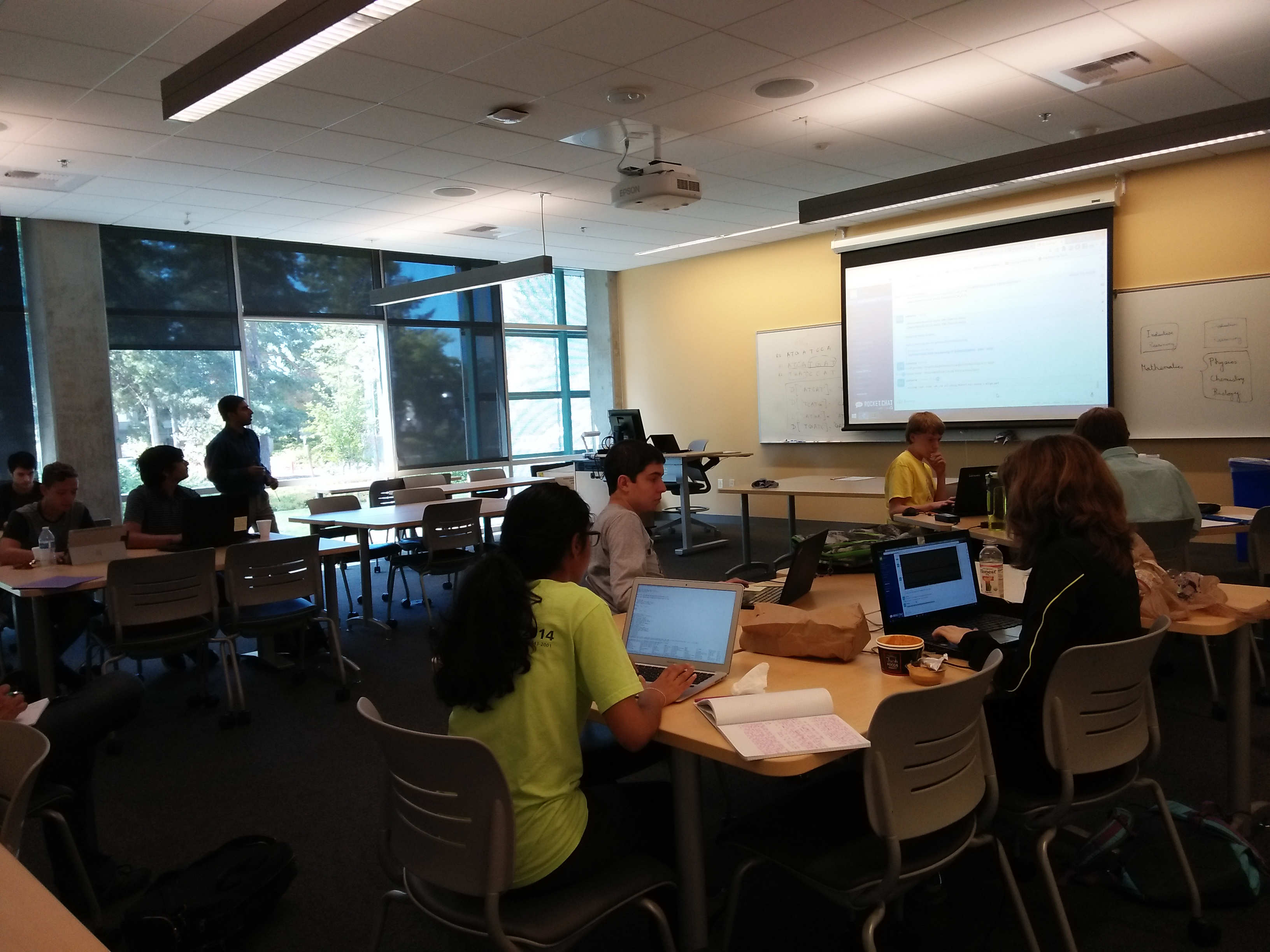
In this in person course, you will use your Python coding skills to explore genome sequences and find interesting genes, learn how to develop computer algorithms to analyze genomes and see the big picture of where the new cutting-edge jobs are created for the 21st century.
This hands on module introduces you to the Python programming language through a series of problem solving exercises. It is designed for those without any prior coding experience.
This module shows you how coding is applied in biology and medicine. It also covers key aspects of the Linux operating system, provides guidance on accessing publicly available genomic data, and demonstrates how to use the NCBI BLAST search engine for DNA sequence analysis.
In this module, you will use your Python coding skills to explore genome sequences and find interesting genes, learn how to develop computer algorithms to analyze genomes and see the big picture of where the new cutting-edge jobs are created for the 21st century.
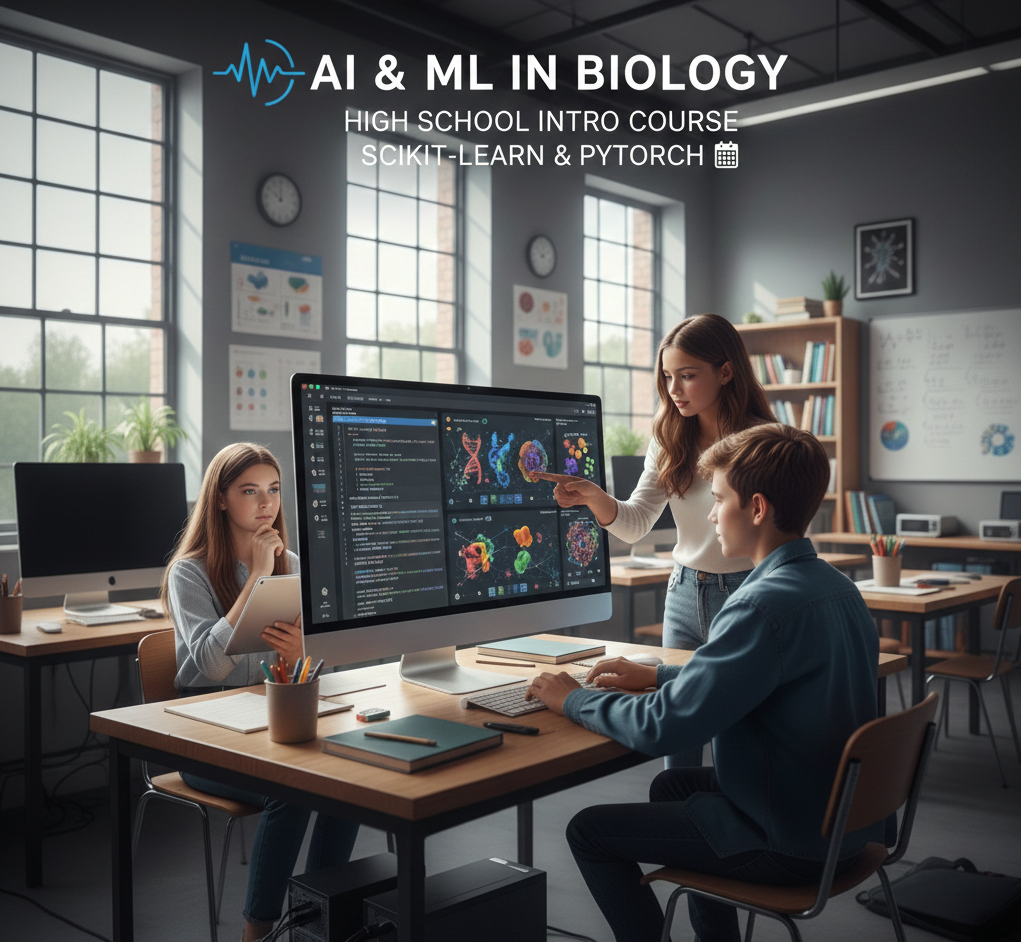
Kickstart your journey into AI and machine learning with this immersive, hands-on module. Learn essential techniques like regression, classification, clustering, and dimensionality reduction using Python and scikit-learn, then explore real-world AI applications, including in biology, with PyTorch. Designed for beginners, this practical course focuses on building skills fast, with minimal math and maximum impact.
In this summer-long module, you will learn to read scientific paper, get raw data and learn to reproduce already published results. We are creating this module for students interested in science fair-style projects. Participants are expected to plan their projects over the summer and submit proposals to science fairs in the fall.
This summer-long module will allow you to read scientific publications and perform independent research in bioinformatics/computational biology. This year, we have plan to look into two topics - (i) bacterial and archaeal genomes and understand how their genomes and genes evolve. We will use the pangenome analysis tools in this effort, (ii) AI-related tools used for biology (e.g. evo sequencing models, protein-folding models, antibiotic prediction models, etc.).
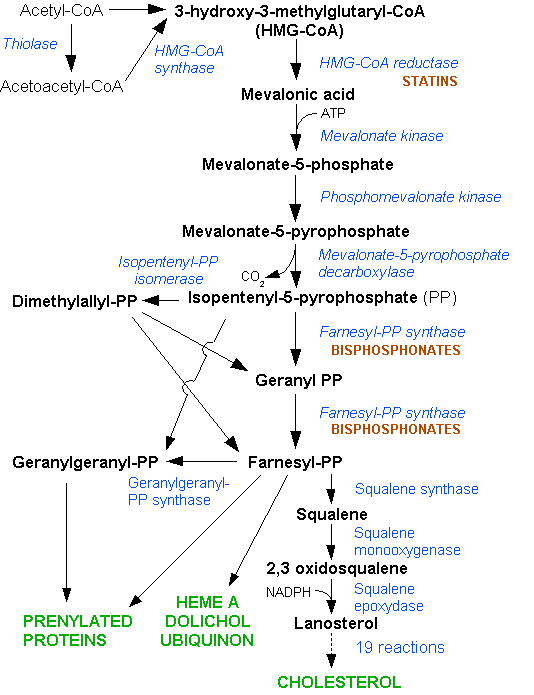
The living world and the biological materials in it have been possible because of the presence of a set of proteins called enzymes. Enzymes are biocatalysts. Without them, none of the biochemical transformations will be possible and there would be no life! Indeed nature is the best chemist and exploring how enzymes work is helping chemists to understand catalysis. Enzymes accelerate biochemical reactions at tremendous speeds such as 10^17 and with high specificity and 100% yields. Incorporating more and more enzymes into our daily lives such as in manufacturing of fine chemicals, pharmaceutical products, water treatment facilities, daily chores, recycling of plastics etc holds the key to sustainable living.
In this laboratory course we will learn about enzyme-catalyzed reactions, kinetics of enzymatic reactions, enzyme stability and inhibition, enzyme purification and building enzymatic probes. The laboratory course will be supplemented by a single Zoom lecture class prior to the start of the course. The Zoom class will provide the background of the course and explain the experimental procedure in detail.
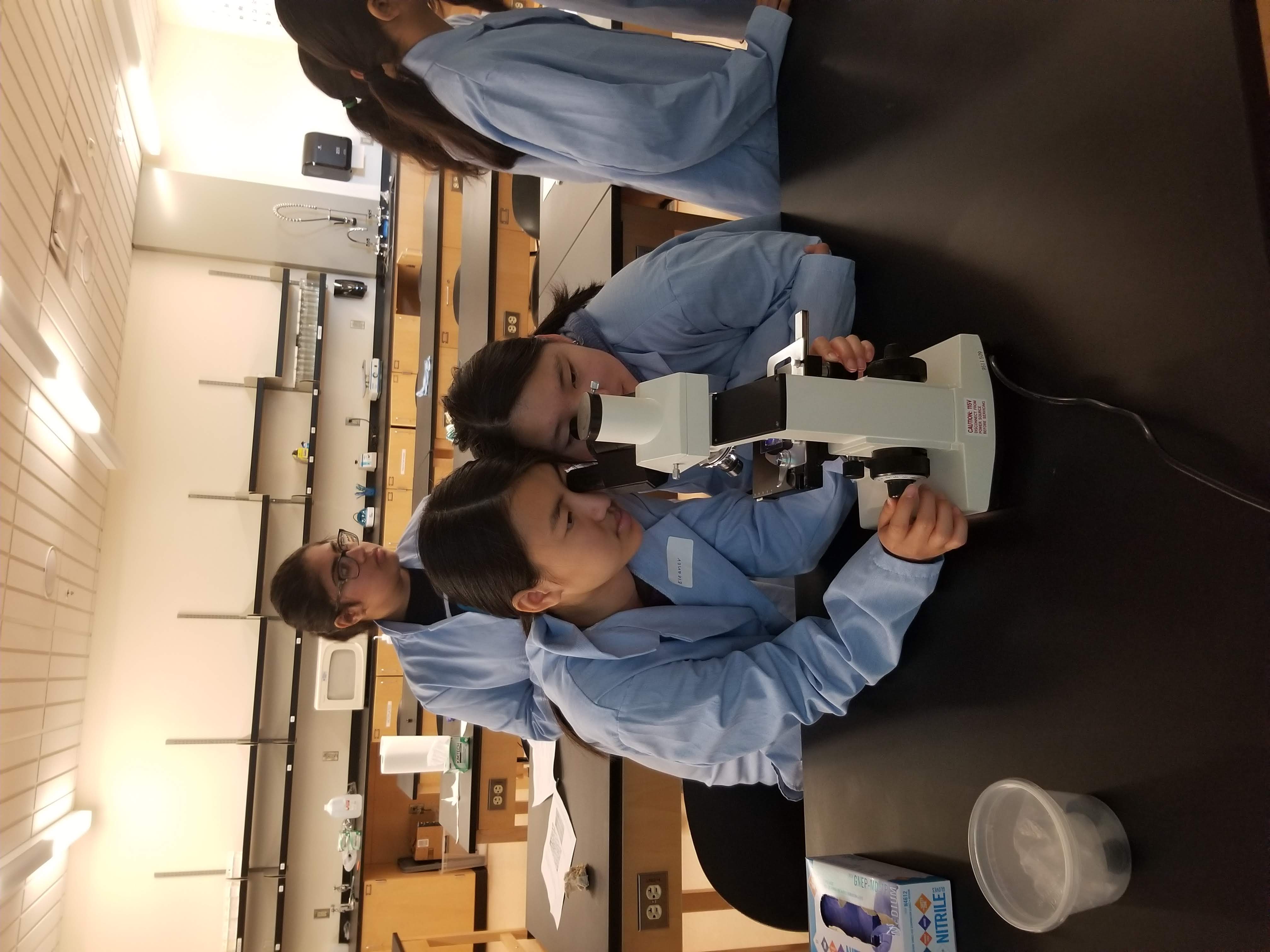
This laboratory course will teach the students the skills and techniques of the biotechnology laboratory and how to use them to explore the microbial world. From learning to use the micropipettor and microscope, students will grow and culture bacteria, extract genomic DNA, use PCR to amplify DNA and read sequence data.
These registrations do not require any payment, and you register to only reserve your priority in the queue.